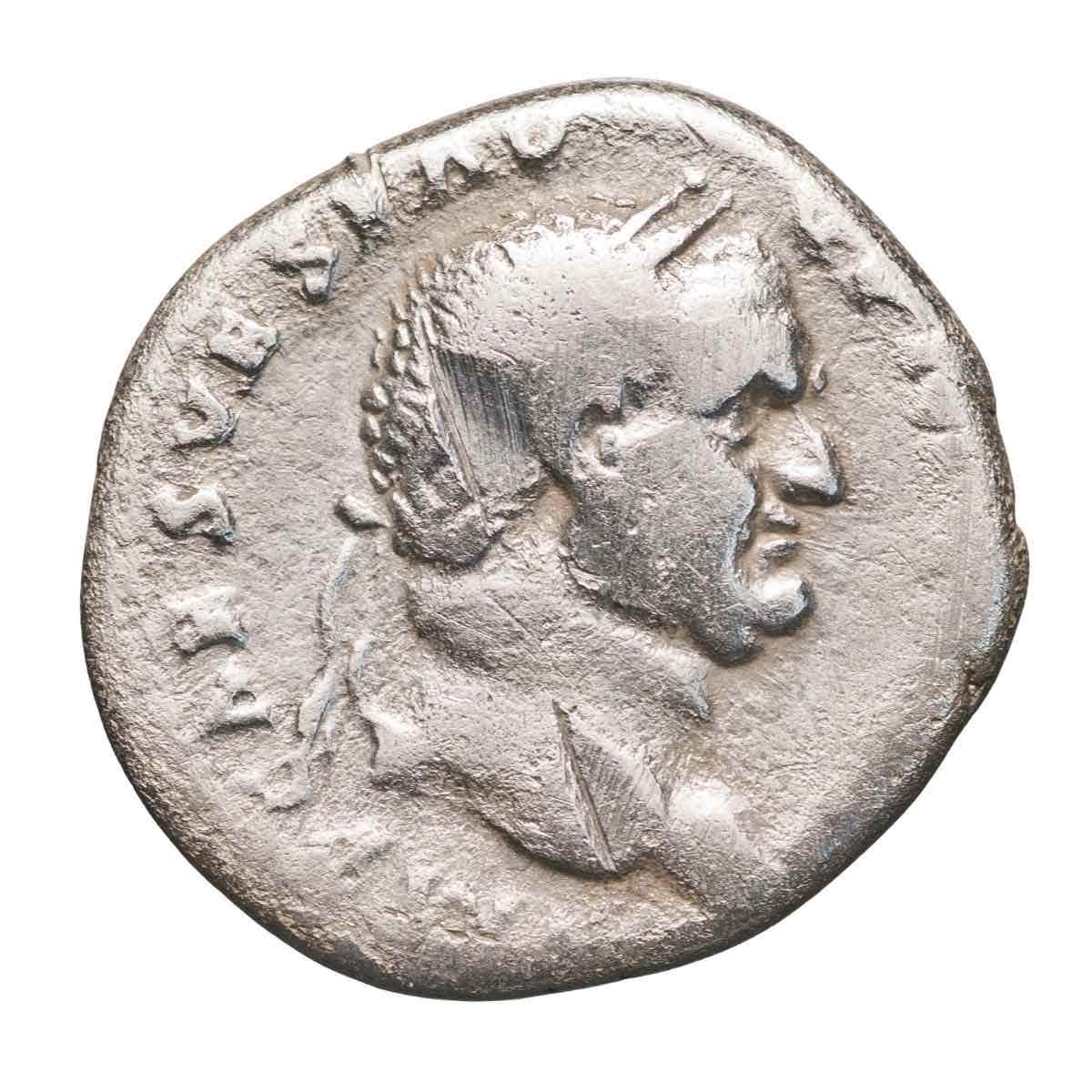
Roman Empire Hadrian 117-138AD Silver Denarius Fine-Very Fine
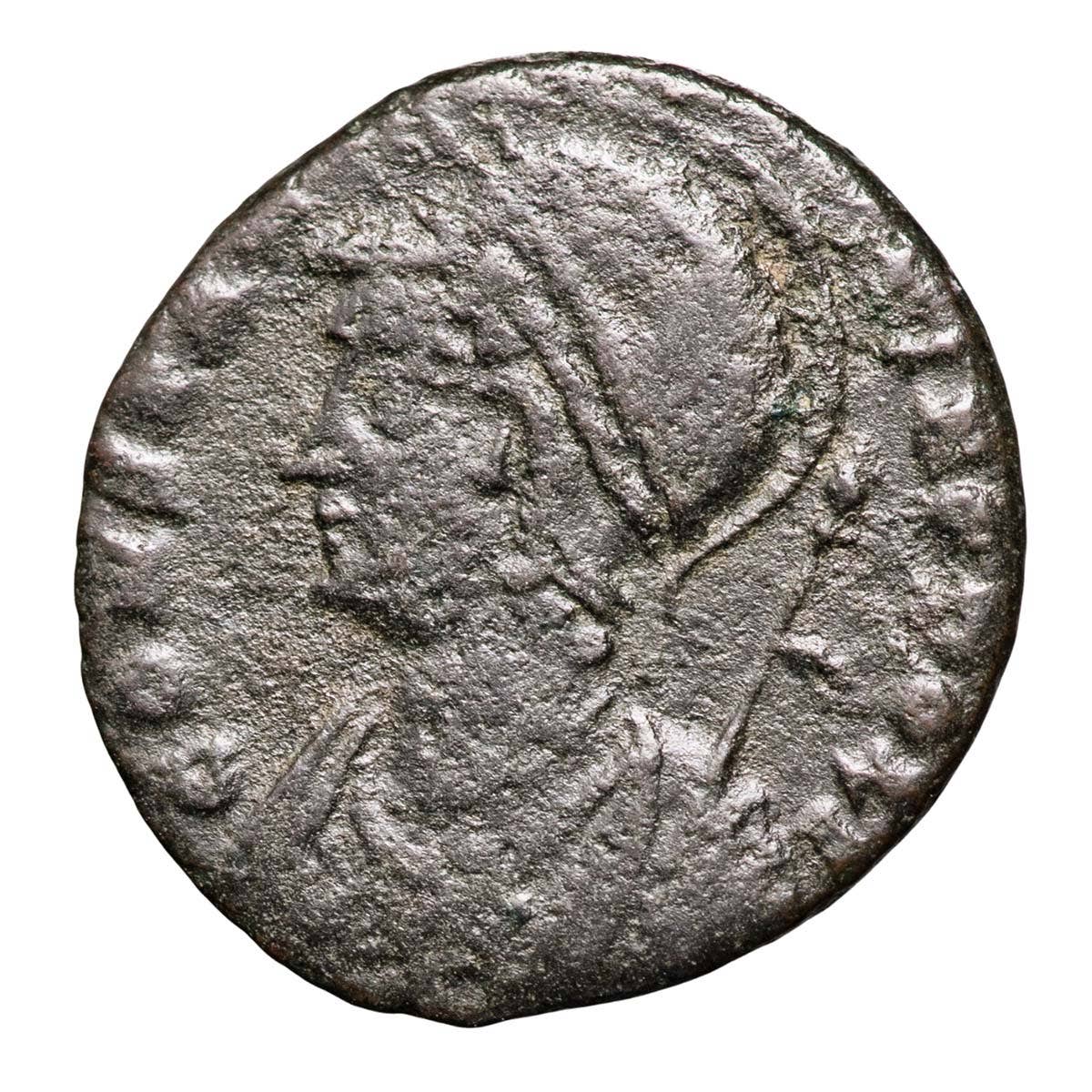
An authentic artefact of ancient Rome, the Hadrian Silver Denarius stands as a remarkable testament to a pivotal era in imperial history.
Born in 76AD, it is unclear whether Hadrian was born in Italy or Spain. Due to his Roman appearance, it is suggested that he is of Italian descent but was born and raised in Spain. After his father died, Hadrian became a join ward of his cousin, Trajan, and Acilius Attianus, a Roman equestrian. Trajan set Hadrian on a military career, shipping him to Upper Germany as a military tribune, but Hadrian was often distracted, preferring to hunt and undertake regular civilian activities. He did continue on with his planned career, working his way up the ranks and becoming Quaestor, Praetor and Consul.
When the Emperor Nerva adopted Trajan, it was Hadrian who brought him the news. During Trajan’s rein, Hadrian became of very high standing but there were no signs that he would become heir to the throne, but indeed he did, becoming the 14th Emperor of the Roman Empire in 117AD. There is great speculation as to whether Trajan appointed Hadrian while on his deathbed or if Trajan’s wife, who was a great supporter of Hadrian, waited until Trajan had died and signed the document herself. Either way, Hadrian almost instantaneously has the support of the legions.
Considered one of the ‘good Emperors’, Hadrian spent most of his reign travelling, visiting imperial territories, tightening Army discipline and strengthening border defences. Perhaps Hadrian’s most renowned accomplishment is the construction of Hadrian’s Wall. Running 118 kilometres across the entire width of northern Britain, Hadrian’s Wall was built as a defensive barrier that separated the Romans from the barbarians.
Towards the end of his reign, Hadrian suffered from poor health and was faced with the problem of succession. In the months prior to his death, Hadrian adopted Antoninus Pius as his heir. Death came slowly and painfully for Hadrian, so much so that he often tried to commit suicide and have servants kill him. Dying in 138AD, Hadrian will be remembered as playing a significant role in developing foreign policy and maintaining an Empire with relative stability and peace for twenty years.
Original: $191.21
-65%$191.21
$66.92More Images
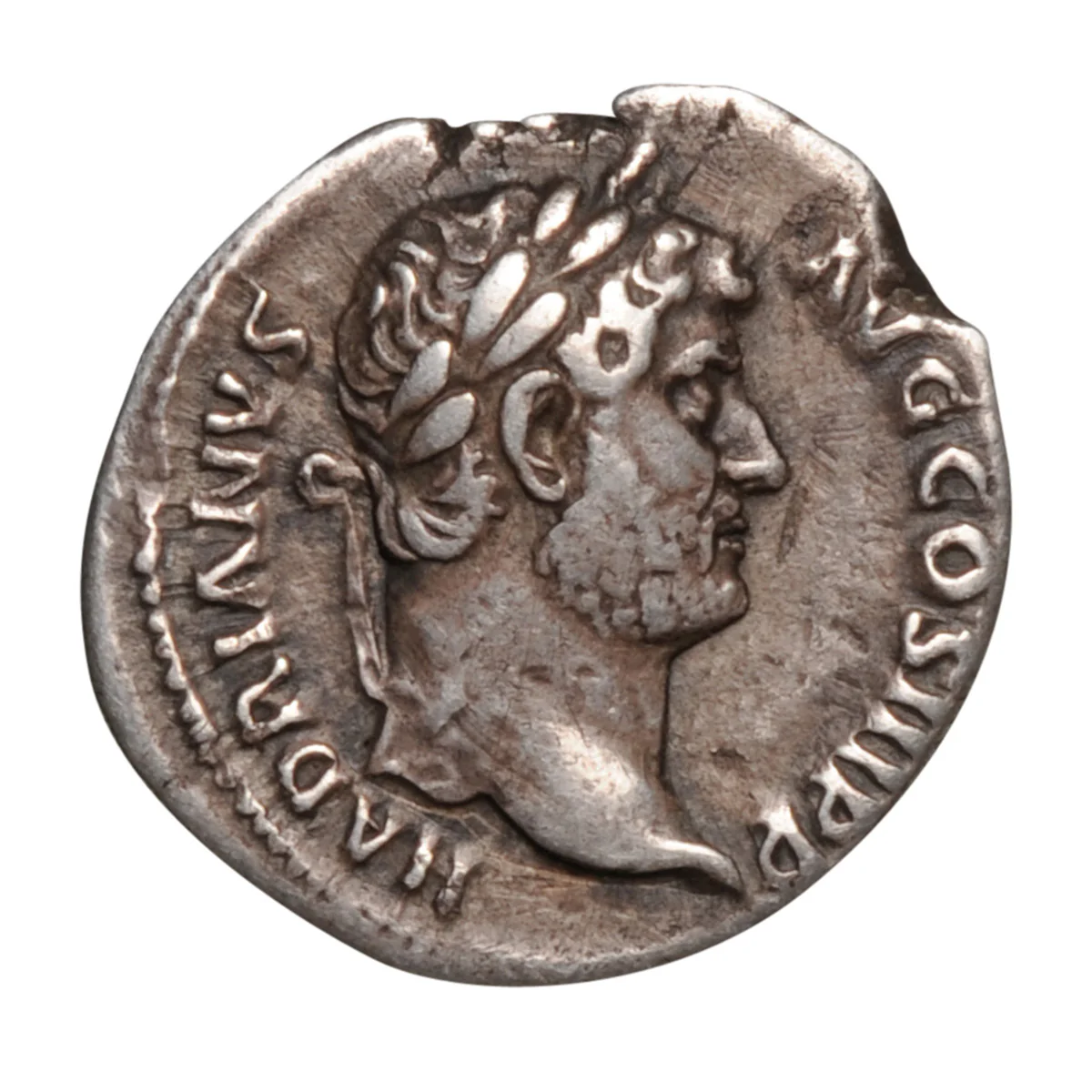

Roman Empire Hadrian 117-138AD Silver Denarius Fine-Very Fine
An authentic artefact of ancient Rome, the Hadrian Silver Denarius stands as a remarkable testament to a pivotal era in imperial history.
Born in 76AD, it is unclear whether Hadrian was born in Italy or Spain. Due to his Roman appearance, it is suggested that he is of Italian descent but was born and raised in Spain. After his father died, Hadrian became a join ward of his cousin, Trajan, and Acilius Attianus, a Roman equestrian. Trajan set Hadrian on a military career, shipping him to Upper Germany as a military tribune, but Hadrian was often distracted, preferring to hunt and undertake regular civilian activities. He did continue on with his planned career, working his way up the ranks and becoming Quaestor, Praetor and Consul.
When the Emperor Nerva adopted Trajan, it was Hadrian who brought him the news. During Trajan’s rein, Hadrian became of very high standing but there were no signs that he would become heir to the throne, but indeed he did, becoming the 14th Emperor of the Roman Empire in 117AD. There is great speculation as to whether Trajan appointed Hadrian while on his deathbed or if Trajan’s wife, who was a great supporter of Hadrian, waited until Trajan had died and signed the document herself. Either way, Hadrian almost instantaneously has the support of the legions.
Considered one of the ‘good Emperors’, Hadrian spent most of his reign travelling, visiting imperial territories, tightening Army discipline and strengthening border defences. Perhaps Hadrian’s most renowned accomplishment is the construction of Hadrian’s Wall. Running 118 kilometres across the entire width of northern Britain, Hadrian’s Wall was built as a defensive barrier that separated the Romans from the barbarians.
Towards the end of his reign, Hadrian suffered from poor health and was faced with the problem of succession. In the months prior to his death, Hadrian adopted Antoninus Pius as his heir. Death came slowly and painfully for Hadrian, so much so that he often tried to commit suicide and have servants kill him. Dying in 138AD, Hadrian will be remembered as playing a significant role in developing foreign policy and maintaining an Empire with relative stability and peace for twenty years.
Product Information
Product Information
Shipping & Returns
Shipping & Returns
Description
An authentic artefact of ancient Rome, the Hadrian Silver Denarius stands as a remarkable testament to a pivotal era in imperial history.
Born in 76AD, it is unclear whether Hadrian was born in Italy or Spain. Due to his Roman appearance, it is suggested that he is of Italian descent but was born and raised in Spain. After his father died, Hadrian became a join ward of his cousin, Trajan, and Acilius Attianus, a Roman equestrian. Trajan set Hadrian on a military career, shipping him to Upper Germany as a military tribune, but Hadrian was often distracted, preferring to hunt and undertake regular civilian activities. He did continue on with his planned career, working his way up the ranks and becoming Quaestor, Praetor and Consul.
When the Emperor Nerva adopted Trajan, it was Hadrian who brought him the news. During Trajan’s rein, Hadrian became of very high standing but there were no signs that he would become heir to the throne, but indeed he did, becoming the 14th Emperor of the Roman Empire in 117AD. There is great speculation as to whether Trajan appointed Hadrian while on his deathbed or if Trajan’s wife, who was a great supporter of Hadrian, waited until Trajan had died and signed the document herself. Either way, Hadrian almost instantaneously has the support of the legions.
Considered one of the ‘good Emperors’, Hadrian spent most of his reign travelling, visiting imperial territories, tightening Army discipline and strengthening border defences. Perhaps Hadrian’s most renowned accomplishment is the construction of Hadrian’s Wall. Running 118 kilometres across the entire width of northern Britain, Hadrian’s Wall was built as a defensive barrier that separated the Romans from the barbarians.
Towards the end of his reign, Hadrian suffered from poor health and was faced with the problem of succession. In the months prior to his death, Hadrian adopted Antoninus Pius as his heir. Death came slowly and painfully for Hadrian, so much so that he often tried to commit suicide and have servants kill him. Dying in 138AD, Hadrian will be remembered as playing a significant role in developing foreign policy and maintaining an Empire with relative stability and peace for twenty years.